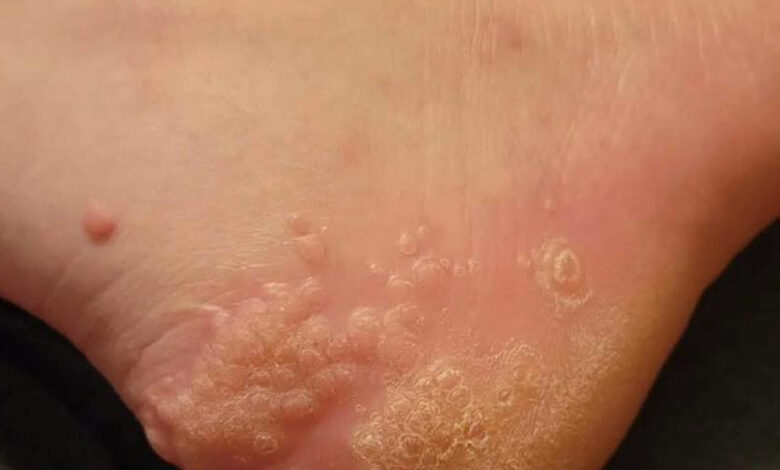
Buying second-hand shoes can feel like a smart, sustainable choice—until your feet start sending warning signals. One of the most common surprises people notice after wearing used footwear is a small yellow bump forming on a toe. It may look alarming and feel uncomfortable, but in most cases, it’s your body doing exactly what it’s designed to do: protecting itself.
That yellow bump is usually a corn or a callus. Both are areas of thickened skin that develop when a specific spot is exposed to repeated friction or pressure. The skin produces extra layers of keratin, the same protein found in nails and hair, to shield the underlying tissue. Over time, this buildup becomes visible as a hard, yellowish patch.
Second-hand shoes are a frequent trigger for this problem because they are rarely neutral. Shoes mold themselves to the feet of their original owner. Insoles compress unevenly, seams soften in specific places, and pressure points form where that person’s toes and joints bore the most weight. When a different foot enters that environment, those pressure zones often land in all the wrong places.
The most common issue is friction. If a shoe is narrow at the toe box, stiff along the sides, or curved differently than your own foot shape, your toes may rub against the same spot with every step. Over time, this constant rubbing irritates the skin. Pressure plays a role as well. Shoes that squeeze the toes together—especially around the big toe or the little toe—apply ongoing force that the skin tries to defend against.
The result is usually a hard corn, which tends to form on the tops or sides of toes. These often have a dense central core that presses inward, which is why they can feel sharp or painful, sometimes compared to walking with a pebble stuck in your shoe. Calluses, on the other hand, are broader and flatter and typically appear on areas that bear weight, such as the ball of the foot.
The yellow color comes from layers of dead skin cells packed tightly together. This is normal and not a sign of infection on its own.
There are other possibilities, though they’re less common. Intense friction can cause blisters, which are fluid-filled pockets under the skin. These usually appear clear, but if they become infected, the fluid can turn yellowish. Fungal infections are another concern with pre-owned shoes. Footwear worn by others can carry fungi that lead to athlete’s foot or nail infections. These usually cause itching, redness, peeling skin, or thickened, yellowing toenails rather than a firm, raised bump.
What makes second-hand shoes more problematic than new ones is not just fit, but hygiene and wear patterns. Even well-cleaned shoes may still retain the shape of the previous wearer’s foot. Insoles that look intact may be compressed in subtle ways that shift how pressure is distributed. Sweat residue and bacteria can linger deep in the material, increasing irritation and making the skin more vulnerable to breakdown.
While new shoes can cause temporary discomfort during a break-in period, used shoes start with an existing structure that may never align properly with your feet.
Fortunately, most corns and calluses respond well to simple care. The first and most important step is to stop wearing the shoes that caused the problem. Continuing to apply pressure will only make the thickened skin grow. Switch to footwear that fits well, with enough room for your toes to move freely and adequate cushioning to absorb impact.
Soaking your feet can help soften the hardened skin. Warm, soapy water for ten to twenty minutes loosens dead skin cells, making them easier to remove gently. After soaking, a pumice stone or emery board can be used lightly to smooth the area. The key is gentleness. Cutting the skin yourself is risky and can lead to infection.
Reducing friction is equally important. Corn pads, moleskin, or gel toe protectors create a buffer between your skin and the shoe, allowing irritated areas to heal. Moisturizing regularly also helps. Creams containing urea or lactic acid are particularly effective at softening thickened skin and preventing it from hardening again.
Over-the-counter treatments with salicylic acid can gradually break down corns, but they should be used carefully. These products are not suitable for everyone, especially people with diabetes, poor circulation, or sensitive skin, as they can cause burns or open wounds if misused.
If the bump becomes increasingly painful, red, swollen, starts oozing, or fails to improve after a couple of weeks, professional care is essential. A podiatrist can safely remove excess skin, relieve pressure, and check for underlying issues such as bunions, hammertoes, or bone spurs that may be contributing to the problem.
Prevention is where second-hand shoe wearers can make the biggest difference. Always clean and disinfect used shoes thoroughly before wearing them. Antifungal sprays or powders help reduce the risk of infection. Wearing socks creates a barrier that absorbs moisture and reduces friction. Breaking shoes in slowly—even used ones—gives your feet time to adapt. Choosing breathable materials and ensuring the correct size and width are non-negotiable if comfort matters.
That small yellow bump is not a mystery or a punishment for trying to save money. It is your skin’s warning system, signaling that something is rubbing or pressing where it shouldn’t. Addressing the cause—usually the shoe fit—resolves the issue far more effectively than treating the symptom alone.
With proper care, most foot problems caused by used shoes are temporary. When discomfort persists, seeking professional guidance can prevent small issues from becoming chronic ones. Healthy feet depend on respect for fit, pressure, and hygiene—and listening when your body quietly asks for change.
