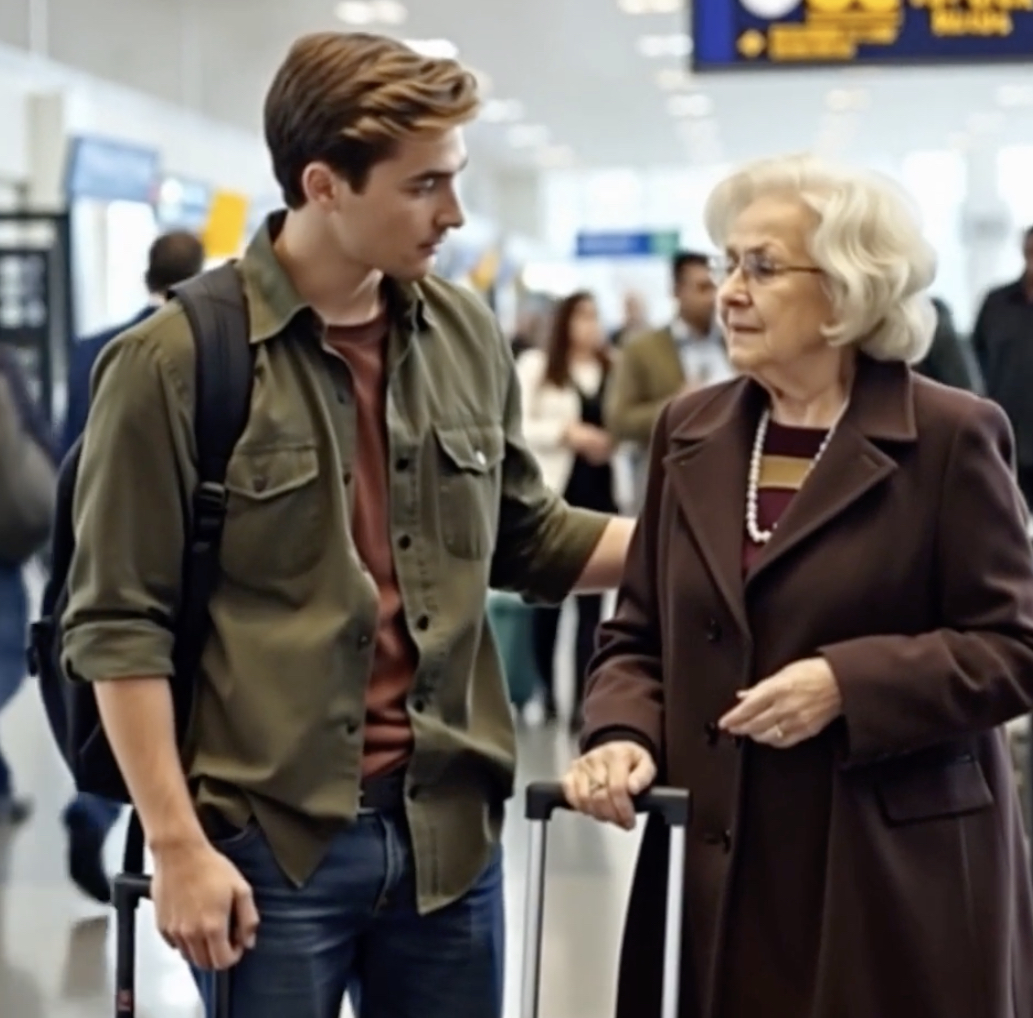
 The man beside me cleared his throat, a sound that seemed to echo in the charged silence of the airport. His name was John, and he was a lawyer. Not just any lawyer, but one specializing in elder care and financial fraud. Over the past three weeks, I had done some research. With Grandma’s quiet blessing and after gentle prodding, we unearthed bank statements and pieced together a troubling pattern.
John had been patient, thorough, and kind. He listened as Grandma explained things she hadn’t even realized had been happening. “It’s good you caught this,” he had assured us, his voice steady like a calm stream.
Now, under the bright, sterile lights of the arrivals area, John addressed my parents and aunt with a calm authority that filled every corner of the space.
“Good afternoon,” he began, his tone polite but firm. “I’m here today because there are some serious allegations regarding the funds that were taken under the pretense of a family trip.”
The color drained from my dad’s face, and my mom’s eyes widened. My aunt’s mouth opened and closed, but no words came out. It was as if the air had been sucked from the room, leaving only the cold, hard truth to linger.
“You see,” John continued, “taking advantage of a loved one, especially financially, under false pretenses is a very serious matter.”
As John explained the legal repercussions, I watched my family’s faces flicker through a spectrum of emotions: disbelief, anger, embarrassment. But not a single one of them could muster the defiance to interrupt him.
Grandma had joined us by then, walking slowly from where she’d been waiting, unnoticed behind a pillar. Her presence was a quiet statement of the strength she didn’t often show but had evidently always possessed. Her eyes met mine, and she gave a small, grateful nod.
When John finished speaking, my dad finally found his voice. “This is ridiculous,” he sputtered, but the bravado was gone. It was a protest more out of habit than conviction. No one else dared speak.
I stepped forward, standing alongside John, my resolve as firm as the ground beneath my feet. “Grandma trusted you,” I said, my voice steady. “We all did. But you crossed a line, and it’s time to make things right.”
The conversation that followed was tense, charged with the weight of betrayal and the looming specter of accountability. My parents and aunt tried to defend their actions, but there was no justification that could erase the hurt they had caused.
In the end, what unfolded wasn’t a dramatic scene of apologies and forgiveness. It was a negotiation, a series of promises to return what was taken, to make amends. John ensured everything was documented, that there would be no more tricks.
As we left the airport, Grandma took my arm, her grip both light and steady. The world outside was as bright and open as it had been that morning weeks ago, but something fundamental had shifted. Trust, once broken, doesn’t rebuild easily. But Grandma and I were on that path together, starting anew with small, meaningful steps.
As we rode home, the weight of what had happened lingered, but so did a sense of relief. We had faced the storm, and though the sky was still gray, the promise of something better lay ahead—a horizon where Grandma’s quiet strength would be honored and cherished, never again taken for granted.
